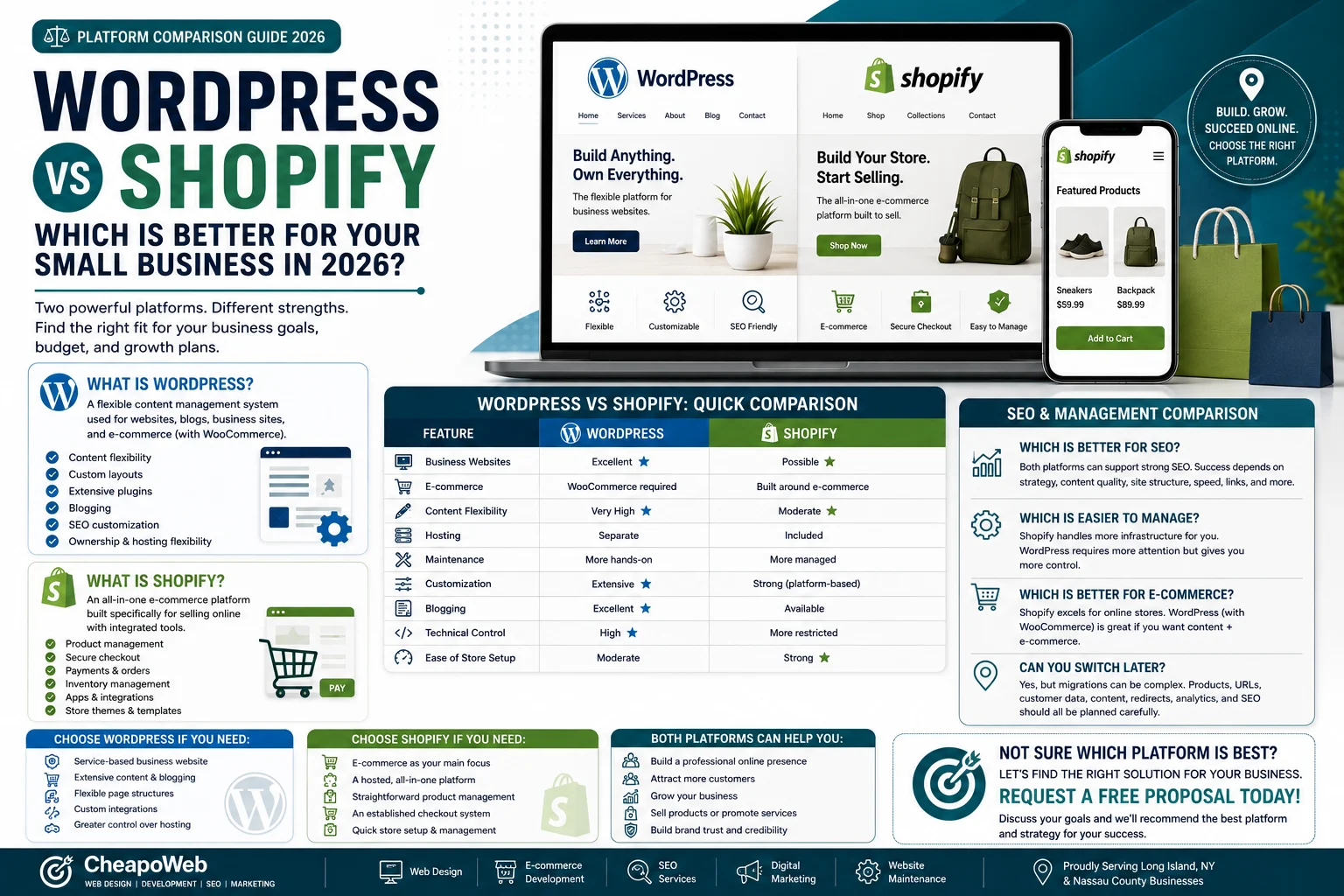
WordPress vs Shopify: Which Is Better for Your Small Business in 2026?
Choosing the platform behind your website is an important business decision. Compare WordPress and Shopify for e-commerce, flexibility, maintenance, SEO, and ease of use.
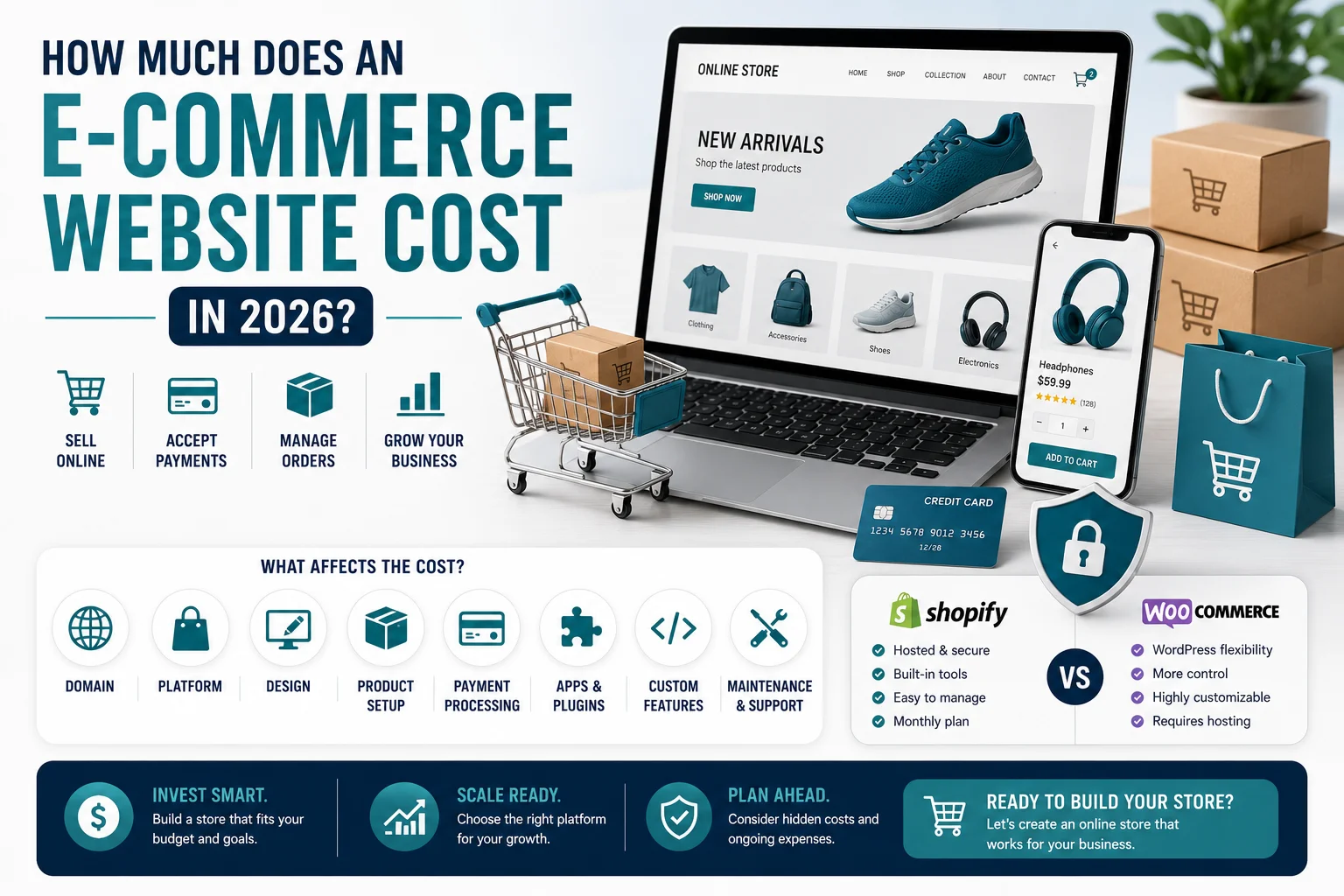
Building an online store involves more than creating a few product pages.
An e-commerce website may need to manage:
That complexity is why e-commerce website costs vary so widely.
Shopify's 2026 guide notes that a basic hosted store can begin at a relatively low monthly platform cost, while custom development can cost $2,000 to $20,000 or more, depending on functionality and complexity.
That range demonstrates an important point:
The platform subscription is only one part of the total investment.
Most stores need a custom domain.
Domain pricing is usually relatively small compared with development costs.
Common options include:
Shopify currently offers multiple plans, while WooCommerce itself is open source but requires hosting and additional services.
You may use:
More customization requires more design and development work.
Large catalogs take time.
Consider:
A store with 20 products is very different from one with 5,000.
Payment processors typically charge transaction-related fees.
Shopify's 2026 cost guide notes that payment processing can commonly involve percentage-based fees plus possible fixed charges depending on provider.
Online stores often rely on tools for:
These costs can accumulate.
Shopify itself warns that app subscriptions and transaction-related costs can become significant as a store grows.
Advanced stores may need:
Custom work can significantly increase costs.
May be suitable when you want:
May be suitable when you want:
Neither is automatically better.
The right choice depends on your business model. Related reading: WordPress vs Shopify for Small Business in 2026.
Do not forget:
These ongoing costs can become more important than the original setup fee.
Your budget should reflect the role the store plays in your business.
A small store testing demand may need a relatively lean setup.
A growing company may need:
An established retailer may require even more sophisticated development.
An e-commerce website can cost very little to start or tens of thousands of dollars to build professionally.
The right budget depends on:
Cheapoweb currently lists e-commerce development, Shopify, WordPress, web development, and related digital services, giving the company a strong foundation for serving businesses that want more than a basic online store.
If you are planning an online store, Cheapoweb can help you compare Shopify, WooCommerce, and custom development based on your actual products, operations, and growth goals.
Request a free proposal from Cheapoweb to discuss your e-commerce project.
If you are planning an online store, request a free proposal and compare Shopify, WooCommerce, and custom development based on your products, operations, and growth goals.
GET A FREE PROPOSAL← Back to all articlesChoosing the platform behind your website is an important business decision. Compare WordPress and Shopify for e-commerce, flexibility, maintenance, SEO, and ease of use.
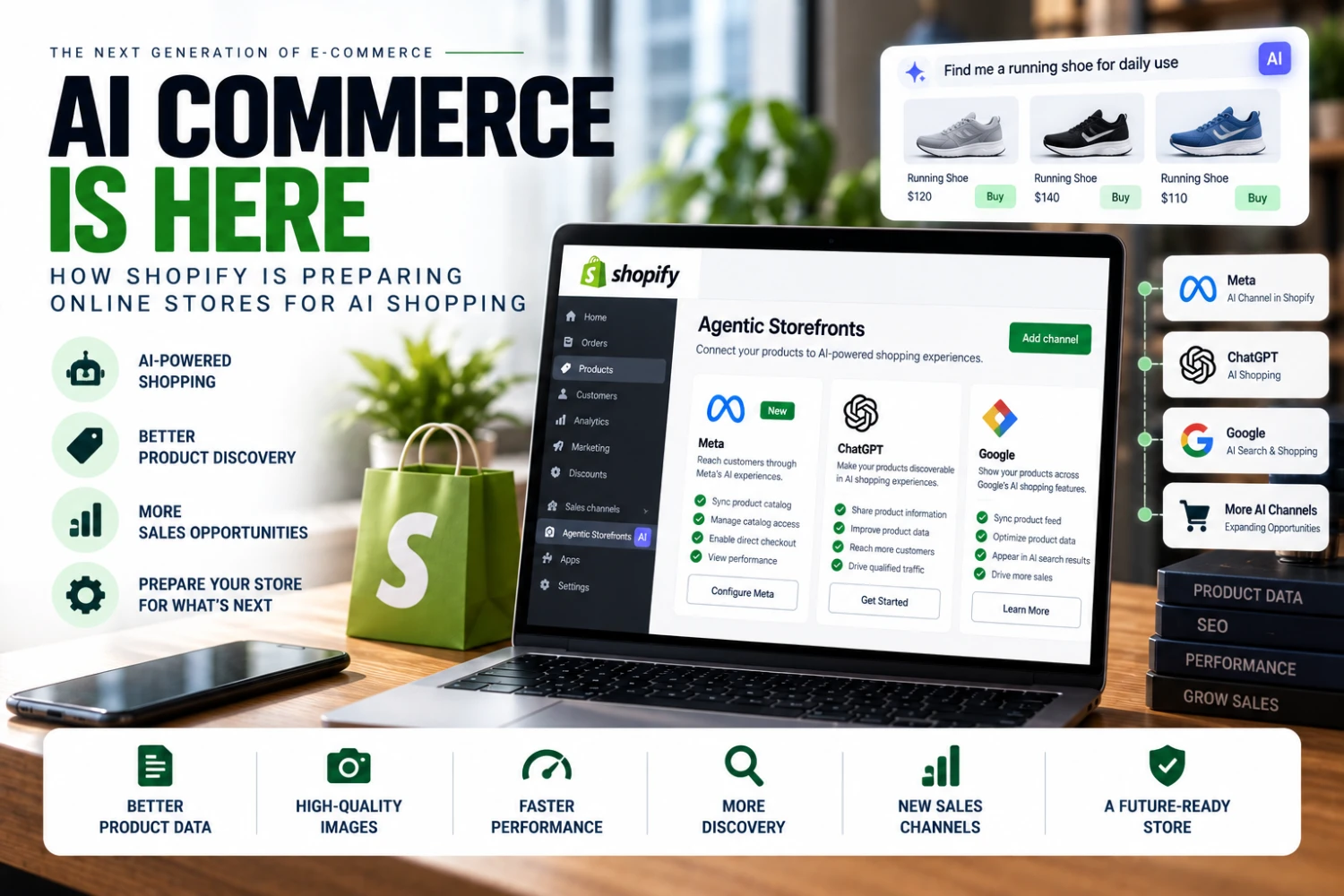
Shopify added Meta as an AI channel in Agentic Storefronts and improved rollout controls — here's what AI shopping means for online stores in 2026.
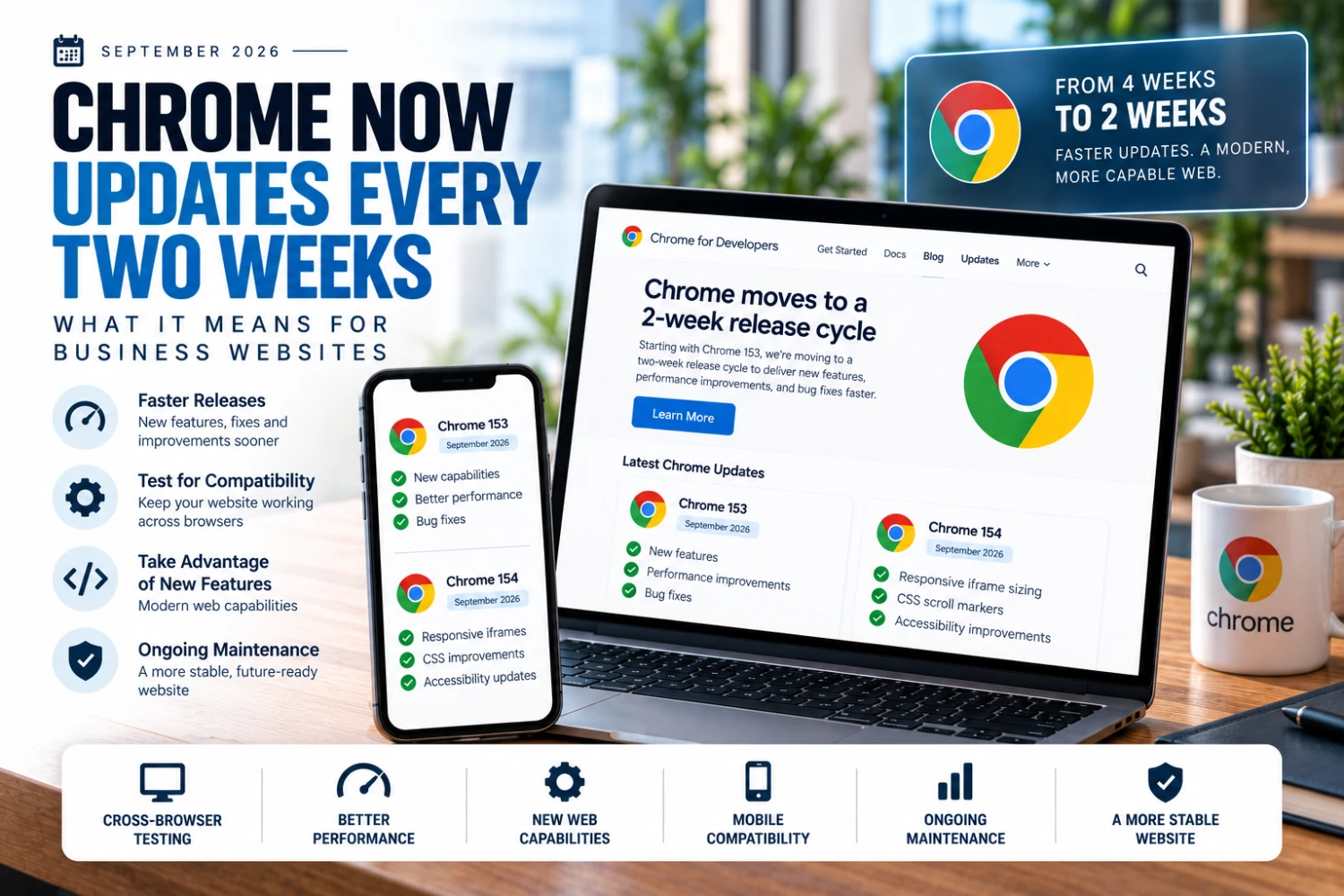
Chrome moved from a four-week to a two-week major release cycle in September 2026 — here's what that means for business websites and developers.
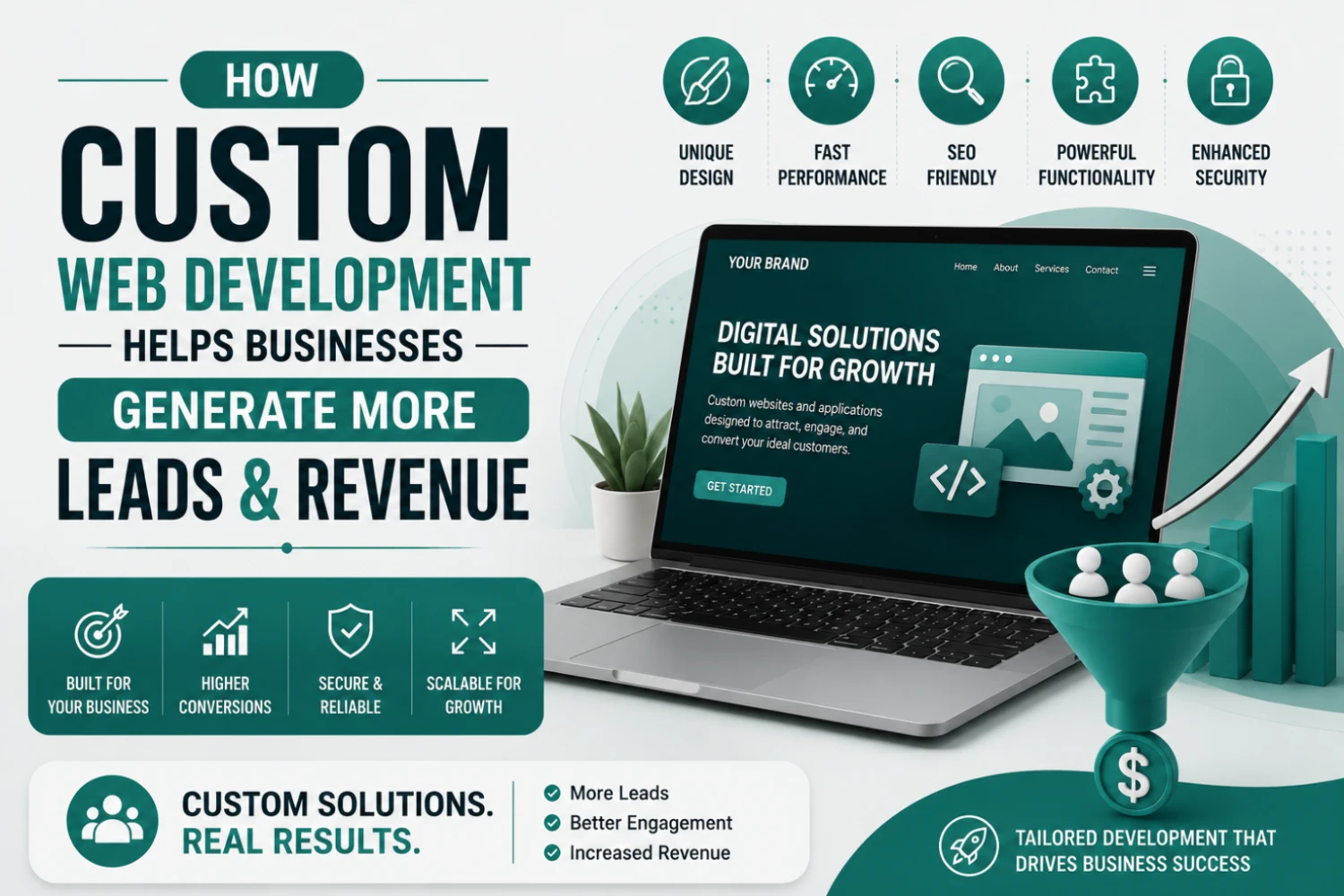
Your website is often the first interaction potential customers have with your business. Custom web development allows you to build unique digital experiences designed specifically around your goals, customers, and operational requirements.
* indicates required fields
GET STARTED