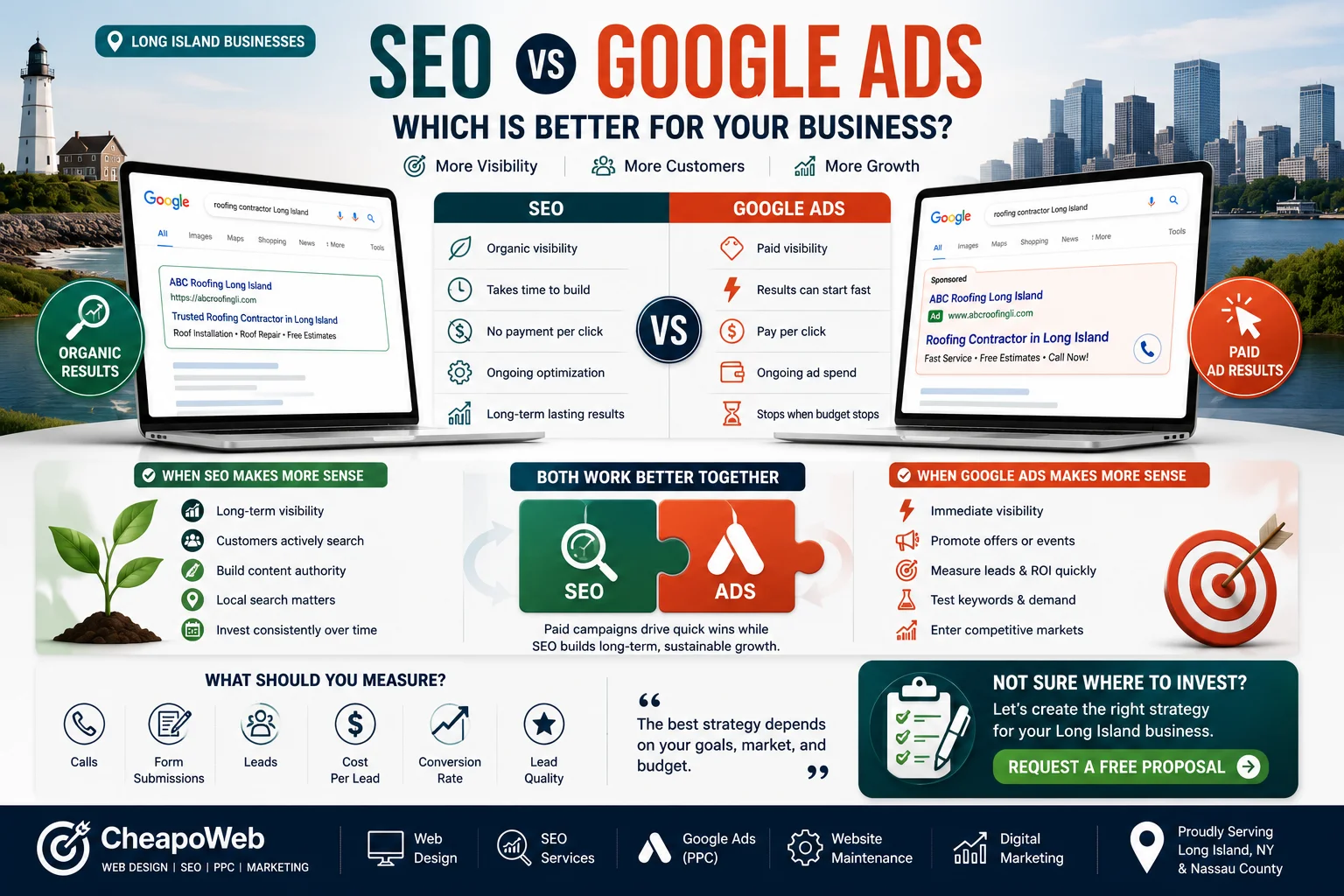
SEO vs Google Ads: Which Is Better for Long Island Small Businesses?
Should your Long Island business invest in SEO or Google Ads? Compare how each channel works, when each makes sense, and why many businesses benefit from using both.
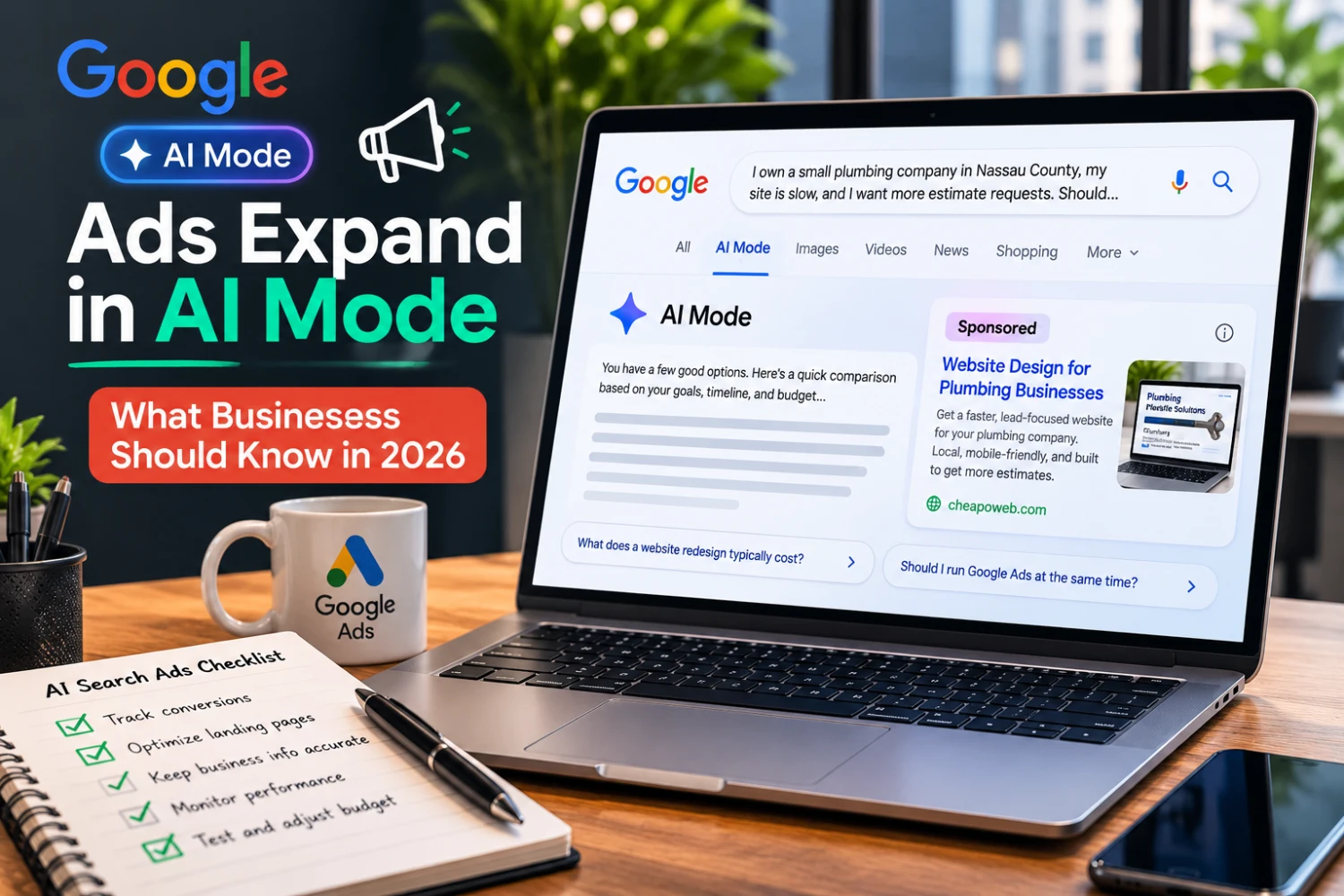
Search advertising is entering a new phase. Instead of typing a few keywords and scrolling through traditional results, more people are using conversational search experiences to describe what they need, compare alternatives, and ask follow-up questions.
On October 28, 2026, Google announced that ads in AI Mode were expanding to ten additional countries. It also said it was launching multiturn ads in the United States, allowing sponsored placements to appear during follow-up queries in AI Mode. For businesses that depend on Google Ads, this is an important development to watch.
Source: Google, Ads in AI Mode expand to new markets, October 28, 2026.
Google expanded advertising in AI Mode to 10 additional markets, including Australia, Canada, India, Kenya, Malaysia, New Zealand, Nigeria, Pakistan, the Philippines, and Singapore. Google also identified further markets it planned to add during the fourth quarter.
For US advertisers, the more directly relevant announcement was multiturn advertising. Rather than limiting ad opportunities to an initial search, Google is introducing ads in follow-up conversations within AI Mode. Google says these ads will be labeled Sponsored.
This does not mean every advertiser can choose exactly when or where an AI Mode ad appears. Availability, eligibility, and reporting depend on Google's evolving products and campaign settings.
A traditional query might be: "website designer Long Island."
A conversational search could be: "I own a small plumbing company in Nassau County, my site is slow, and I want more estimate requests. Should I redesign the site or start Google Ads first?"
That longer request gives a search system more context about the customer's needs, location, and decision stage. Follow-up questions may reveal whether the user wants pricing, comparisons, or a specific service provider.
Google reported that AI Mode queries were, on average, three times longer than traditional searches in its US research. That is a Google-reported observation, not a universal rule for every industry or user.
Customers may explain problems rather than use a fixed keyword phrase. Businesses should understand the questions buyers ask before they are ready to purchase.
An ad can attract interest, but a confusing landing page can still lose a potential customer. Clear service descriptions, visible contact information, and mobile-friendly design are essential for converting visitors into customers. Investing in website speed optimization can also improve user experience and reduce unnecessary delays.
Advertisers should track meaningful outcomes such as qualified inquiries, booked appointments, and purchases. Clicks alone cannot establish whether advertising is profitable.
Automated ad delivery should not be treated as a guarantee of qualified traffic. Review search terms and placements where reporting permits, monitor lead quality, and investigate unexpected changes.
The announcement concerns paid advertising in AI Mode, not a newly confirmed organic ranking factor. Businesses should avoid treating an advertising feature as proof that they must completely rewrite their SEO strategies.
Useful service pages, crawlable information, structured site architecture, original evidence, and sound technical SEO remain sensible investments. Paid and organic visibility can complement each other, but they are not interchangeable.
Google's October expansion shows that AI-powered search is becoming an advertising environment, not just a place to receive answers. Businesses that maintain accurate information, useful landing pages, and reliable measurement will be better positioned to evaluate these changes. Professional Google Ads management can help businesses monitor campaign performance and make informed advertising decisions.
Compare SEO vs Google Ads, explore our local SEO guide, review digital marketing services, or contact Cheapoweb for a landing-page and campaign readiness review.
Need help improving your Google Ads landing pages or understanding whether your website is ready for conversational search? Cheapoweb can review your site experience, SEO foundations, and lead-generation journey.
GET A FREE PROPOSAL← Back to all articlesShould your Long Island business invest in SEO or Google Ads? Compare how each channel works, when each makes sense, and why many businesses benefit from using both.
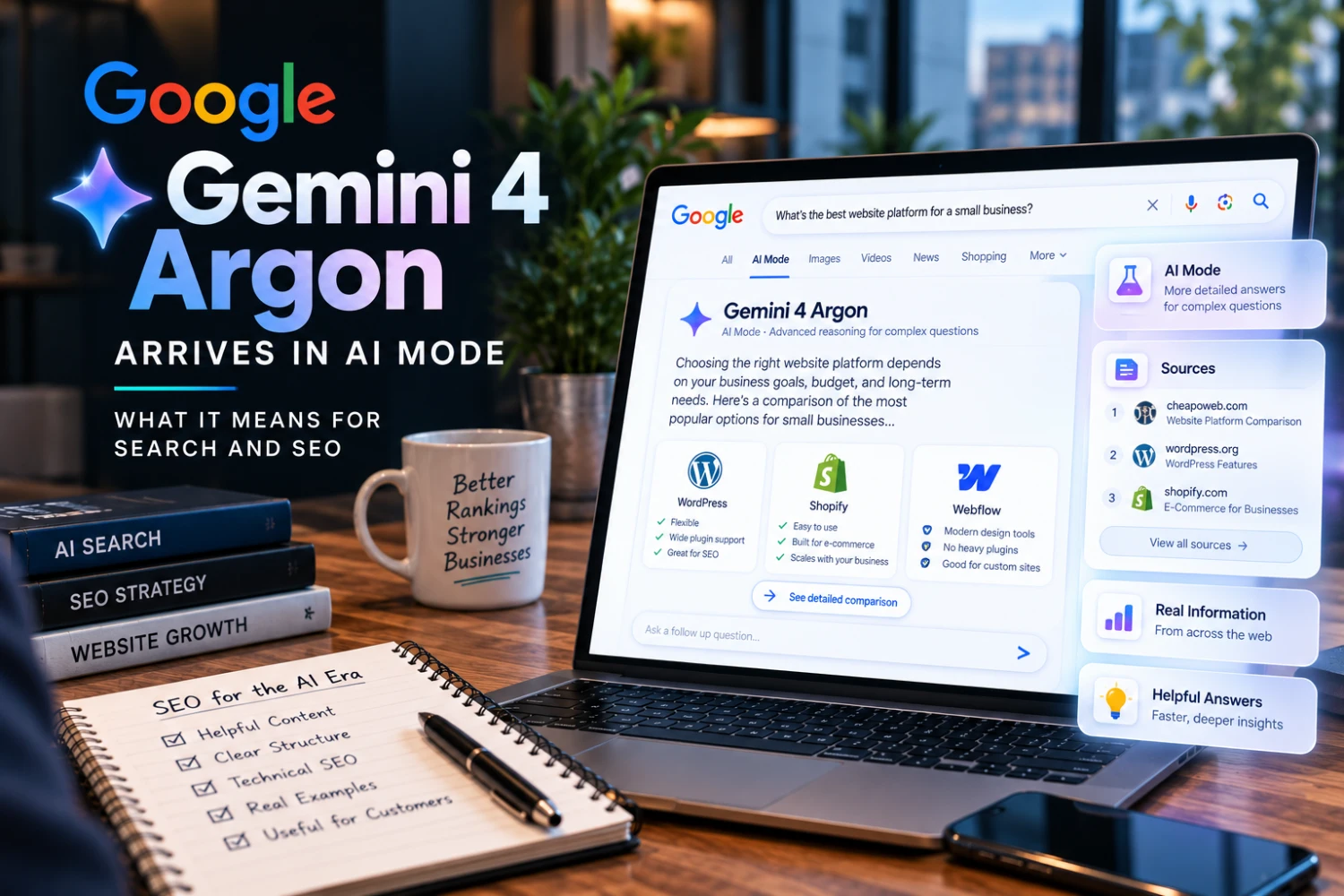
Google expanded Gemini 4 Argon access in October 2026, including AI Mode in Search for eligible subscribers. Here's what it means for SEO and business websites.
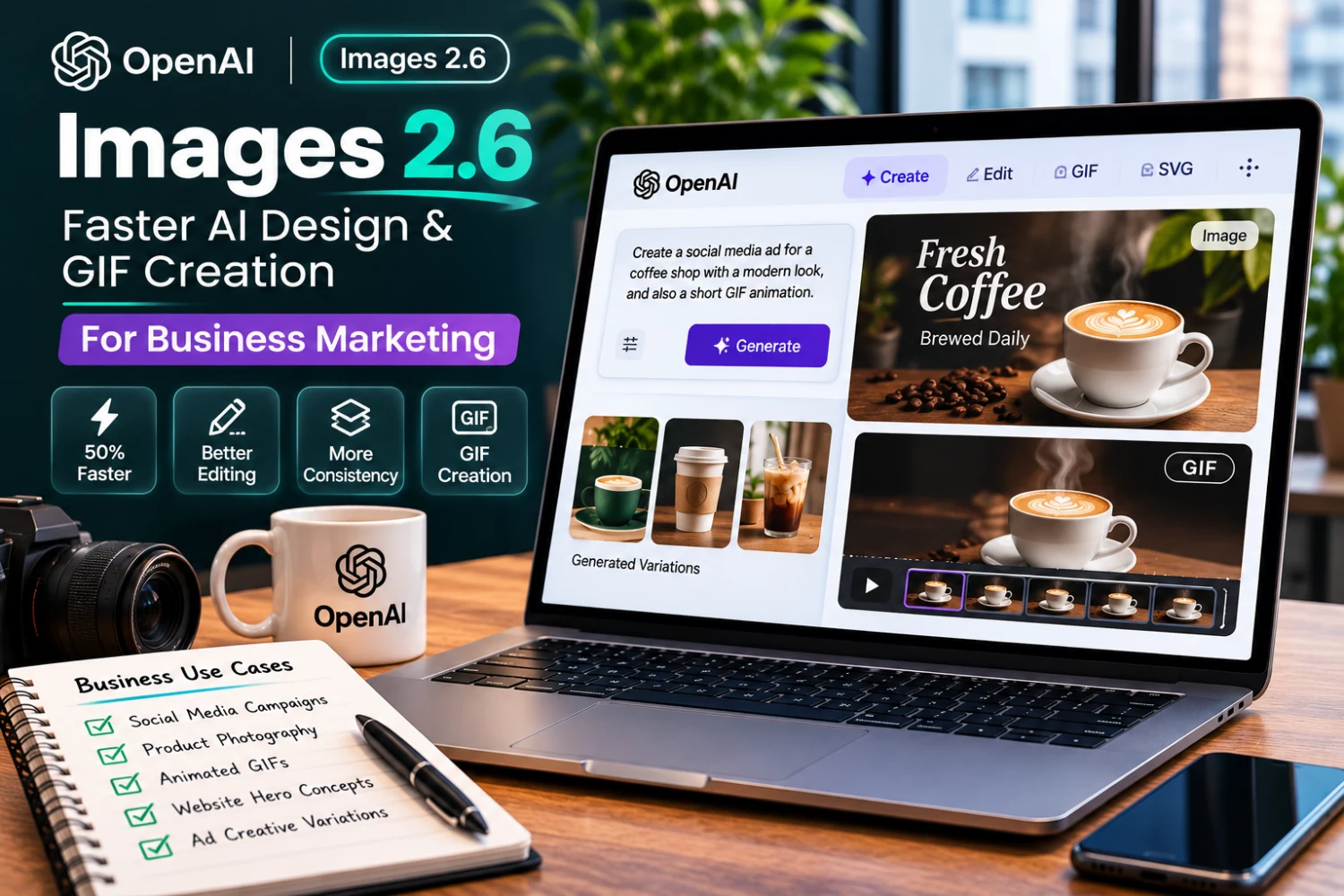
OpenAI Images 2.6 brings faster generation, better editing consistency, and GIF creation. Here's how small businesses can use AI visuals without hurting trust or page speed.
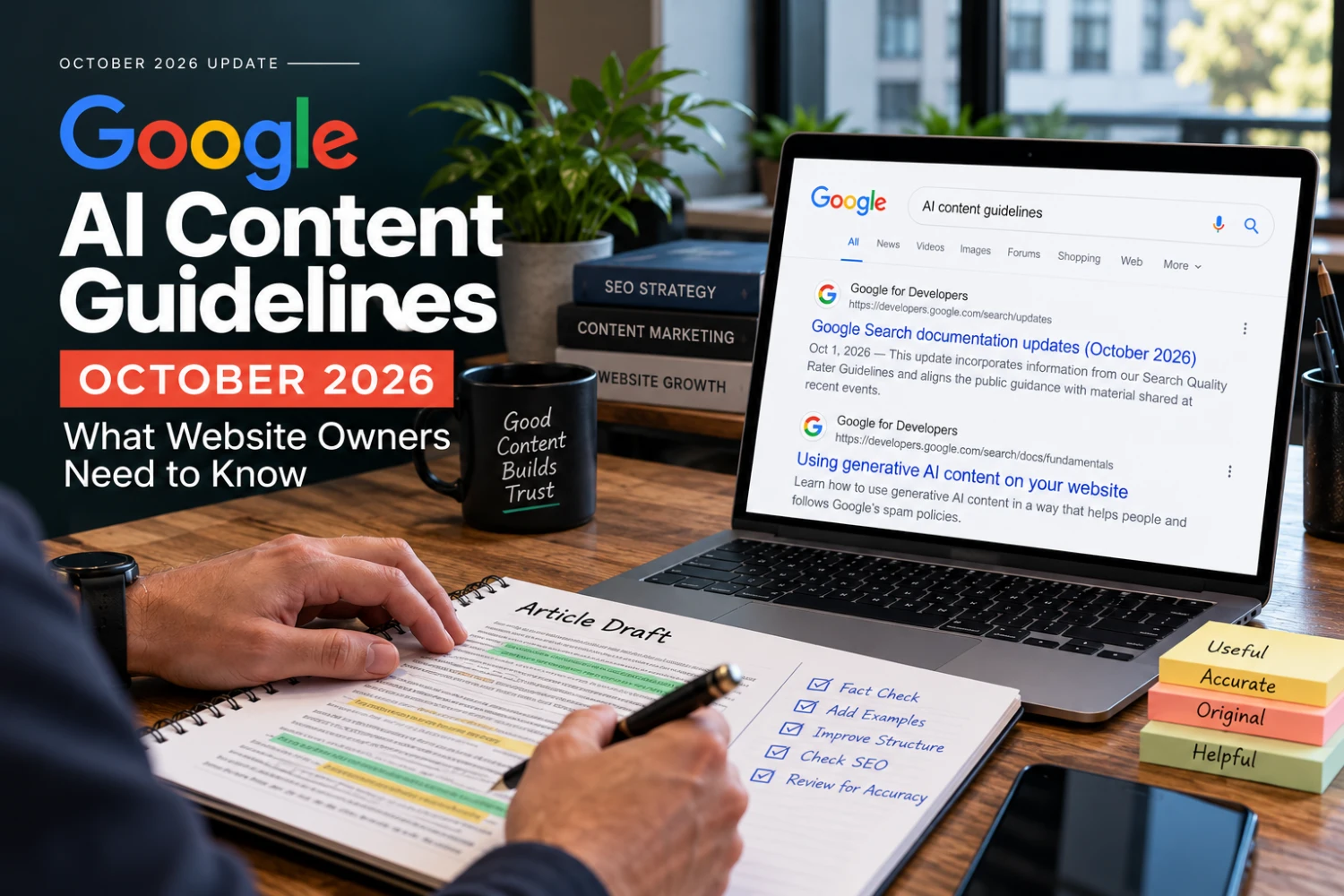
Google updated its generative AI content guidance in October 2026. Here's what changed — and how small businesses should publish useful, trustworthy content.
GET STARTED