
NVIDIA CEO Jensen Huang Resigns After 33 Years: Colette Kress Takes Over
Jensen Huang resigned as NVIDIA CEO after 33 years. CFO Colette Kress is interim CEO while the board searches for a permanent successor.
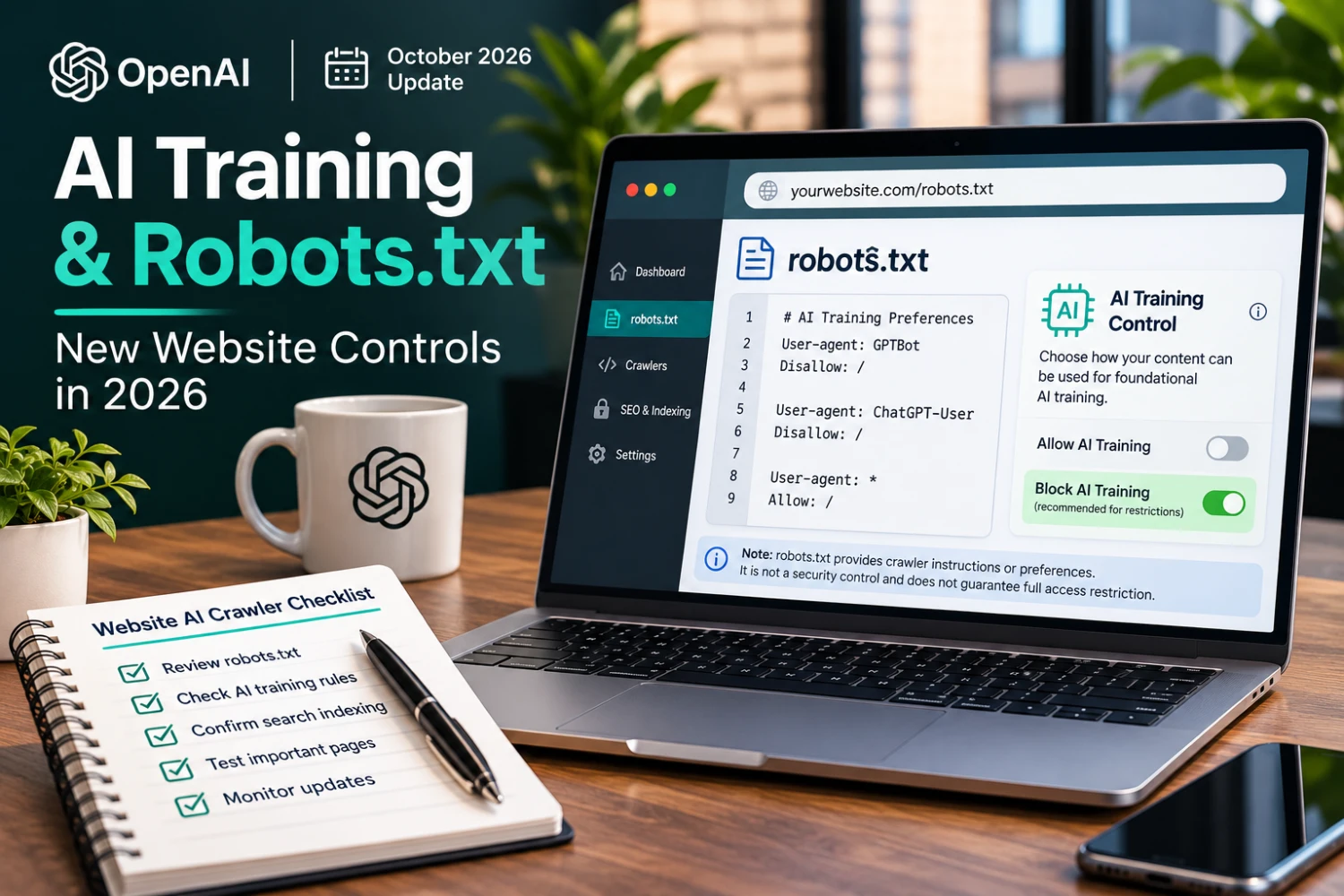
Business websites publish valuable content: service explanations, original photography, articles, research, and product information. As AI systems use online material for different purposes, website owners increasingly want clearer ways to express their preferences.
On October 30, 2026, OpenAI announced plans to honor a common signal in robots.txt that allows websites to communicate preferences about the use of their content for foundational generative AI training to multiple participating providers.
This is a meaningful development for publishers, agencies, and business owners. However, OpenAI said implementation would occur in the coming months. It should not be presented as a fully implemented universal standard on the announcement date.
Source: OpenAI, Making it easier for websites to express AI training preferences, October 30, 2026.
Robots.txt is a text file typically located at the root of a website. It provides instructions or preferences to automated crawlers about which areas of a site they should access.
For example, a business may use crawler rules to discourage certain bots from visiting parts of its site. But robots.txt is not a security control: it does not require authentication, encrypt content, or prevent all unauthorized access.
Robots.txt also has implications for SEO. Incorrectly blocking important pages can interfere with search-engine crawling and indexing.
OpenAI said it would support a shared signal intended to reduce the need for website operators to maintain separate training-preference rules for every participating AI provider.
Three details are important:
A shared preference mechanism does not automatically control every AI company, every crawler, or every form of AI-related use.
Business owners should distinguish between several activities:
These activities are not identical. A setting related to model training should not automatically be assumed to control search indexing or AI search visibility. That distinction matters for a company hoping to attract customers through Google, other search engines, or AI-driven discovery.
There is no universal answer. A publisher licensing original research may have different priorities from a local service business trying to maximize discovery.
Before making changes, consider:
Do you publish proprietary material, licensed content, public marketing information, or a mix? Different assets may warrant different policies.
Do not assume that blocking a crawler improves or harms rankings without evidence. Check what each specific bot does and which systems honor the directive.
Review your existing robots.txt file, meta robots directives, content delivery network rules, and any platform-level crawler settings. Changes can interact in unexpected ways.
If you publish material belonging to clients, photographers, or other rights holders, confirm that your policies reflect applicable contracts and rights. Technical crawler preferences are not a substitute for legal advice.
Important: Do not copy random robots.txt examples from social media. An incorrect wildcard or disallow rule could block pages you want customers to find.
The October 2026 announcement gives website owners another reason to understand how their content is accessed and used. The best next step is a careful crawler-policy review, not a rushed blanket block.
Read our local SEO guide, explore SEO services and website maintenance, or contact Cheapoweb for a technical SEO and crawlability review.
Unsure whether your website's robots.txt settings are helping or hurting search visibility? Cheapoweb can help review technical SEO configuration, crawlability, and website maintenance priorities.
GET A FREE PROPOSAL← Back to all articlesJensen Huang resigned as NVIDIA CEO after 33 years. CFO Colette Kress is interim CEO while the board searches for a permanent successor.
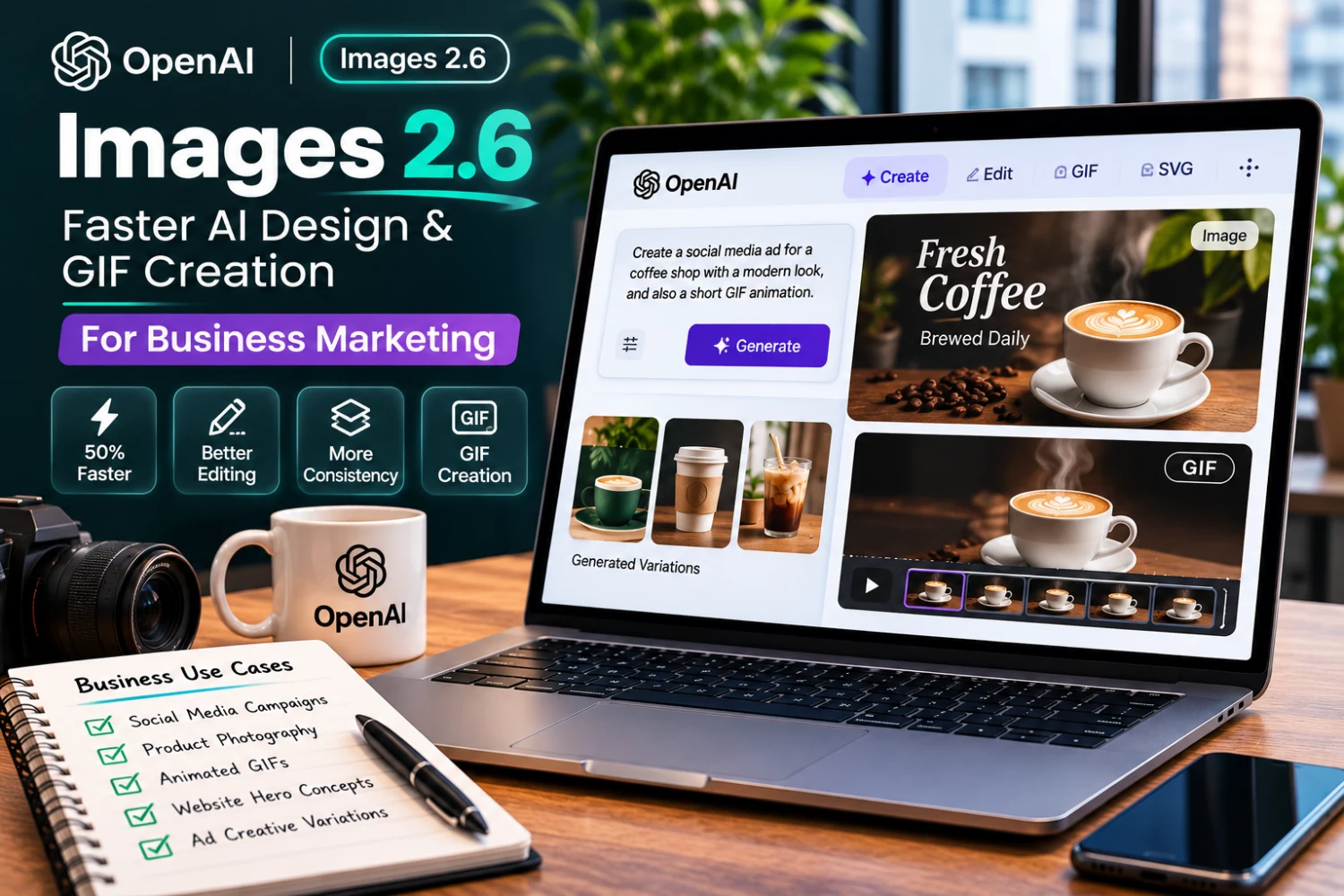
OpenAI Images 2.6 brings faster generation, better editing consistency, and GIF creation. Here's how small businesses can use AI visuals without hurting trust or page speed.
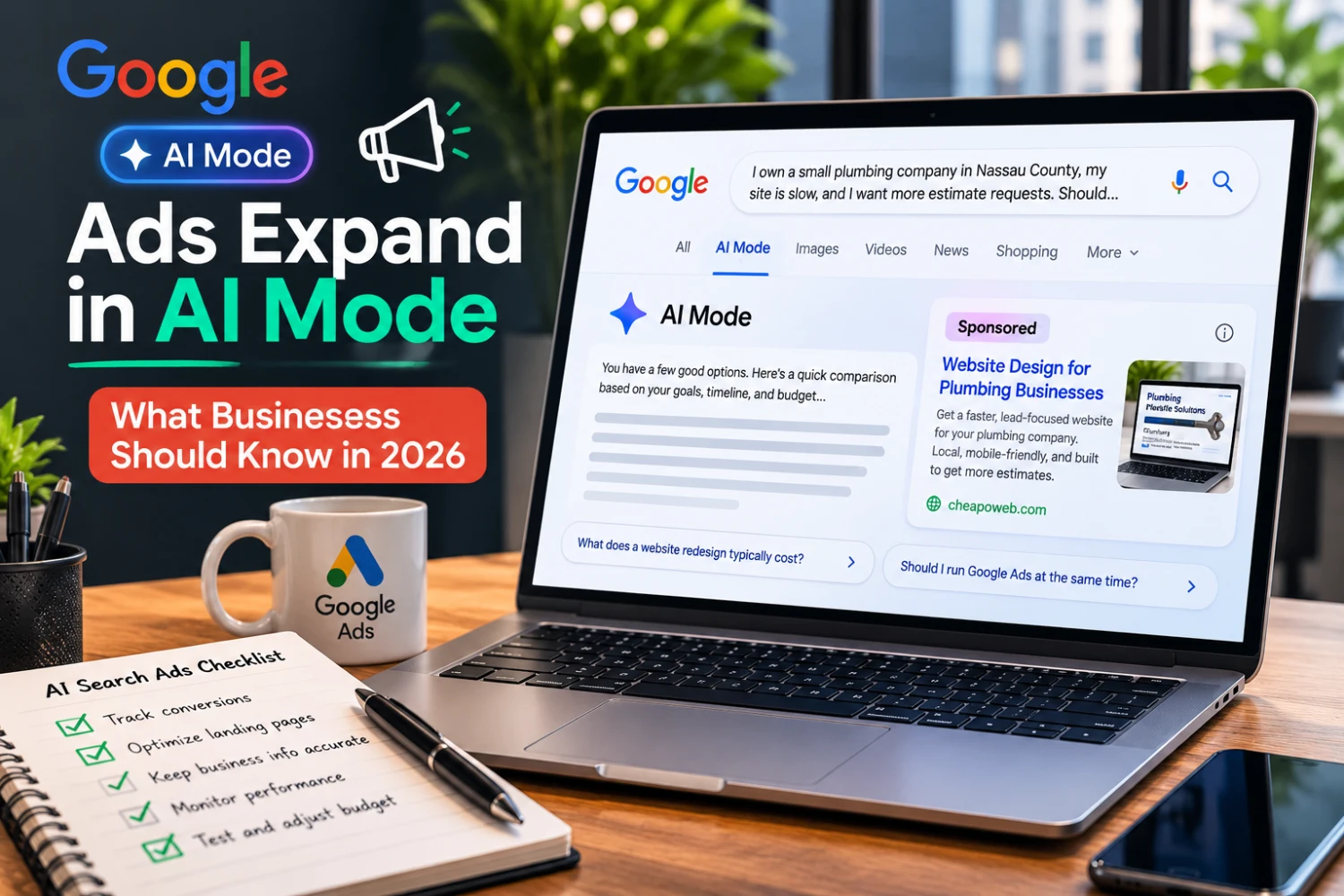
Google expanded ads in AI Mode and launched multiturn Sponsored placements in the US. Here's what small businesses should know about landing pages, tracking, and PPC strategy.
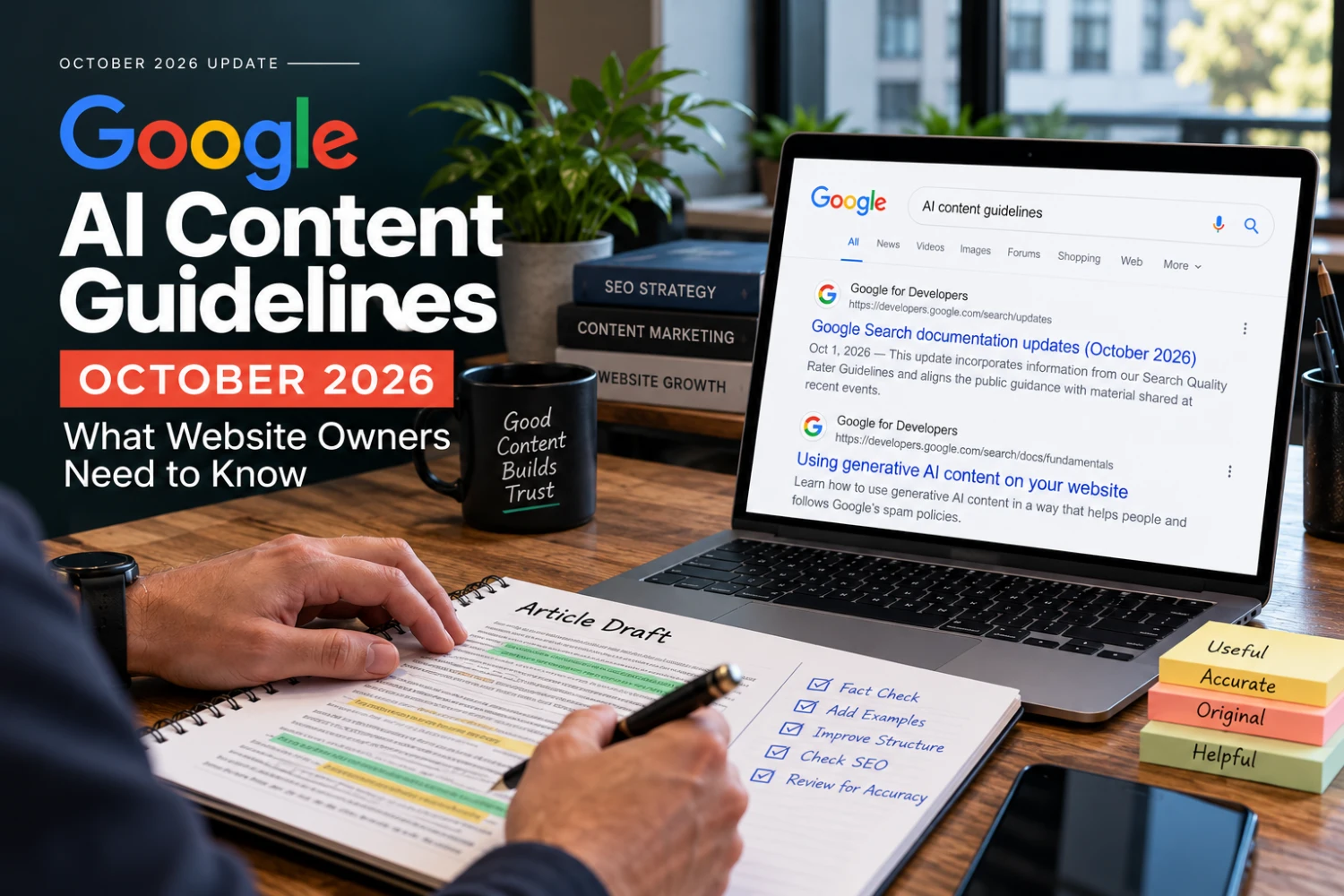
Google updated its generative AI content guidance in October 2026. Here's what changed — and how small businesses should publish useful, trustworthy content.
GET STARTED