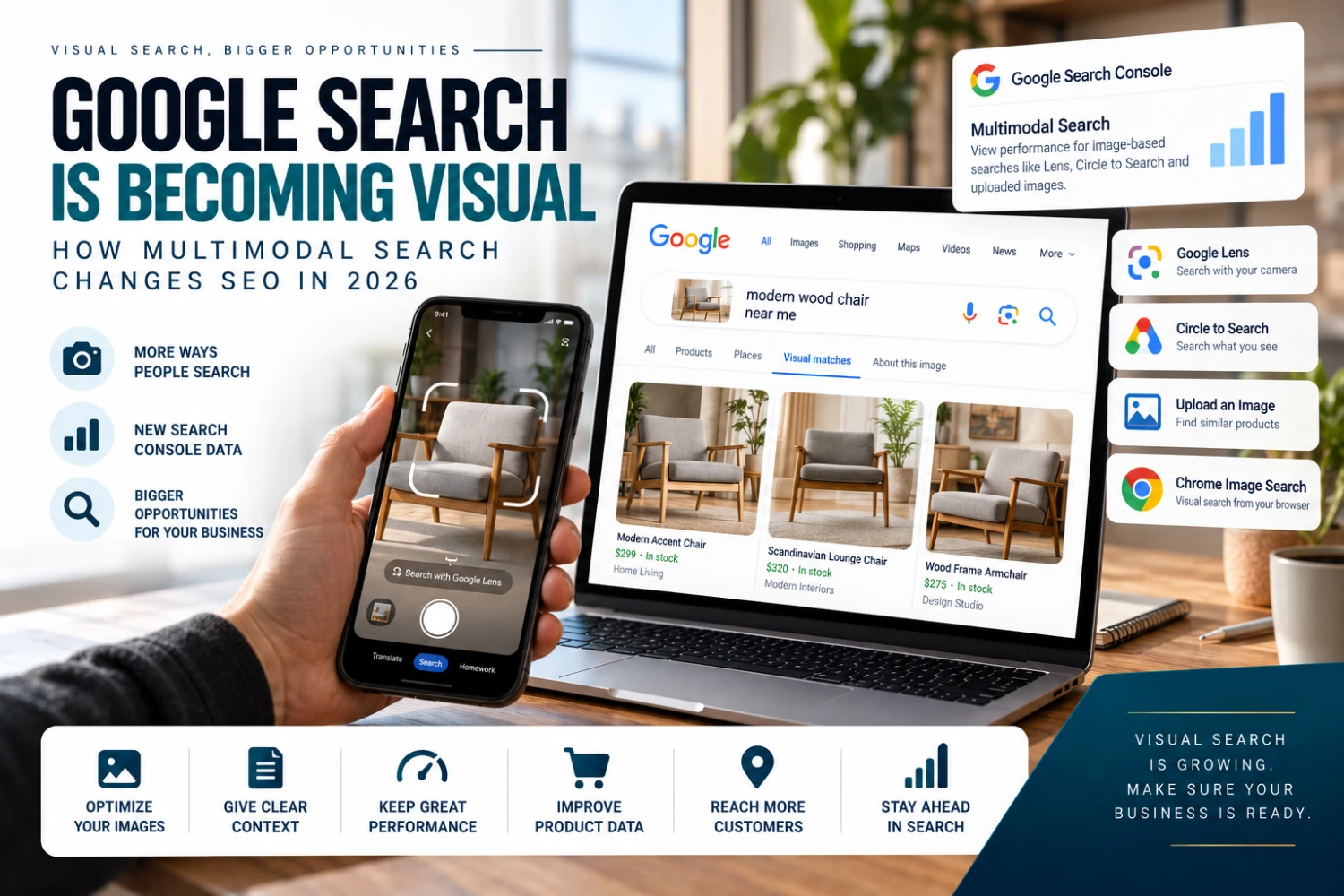
Google Search Is Becoming Visual: How Multimodal Search Changes SEO in 2026
Google Search Console now reports multimodal search traffic from Lens, Circle to Search, and uploaded images — here's what that means for SEO in 2026.
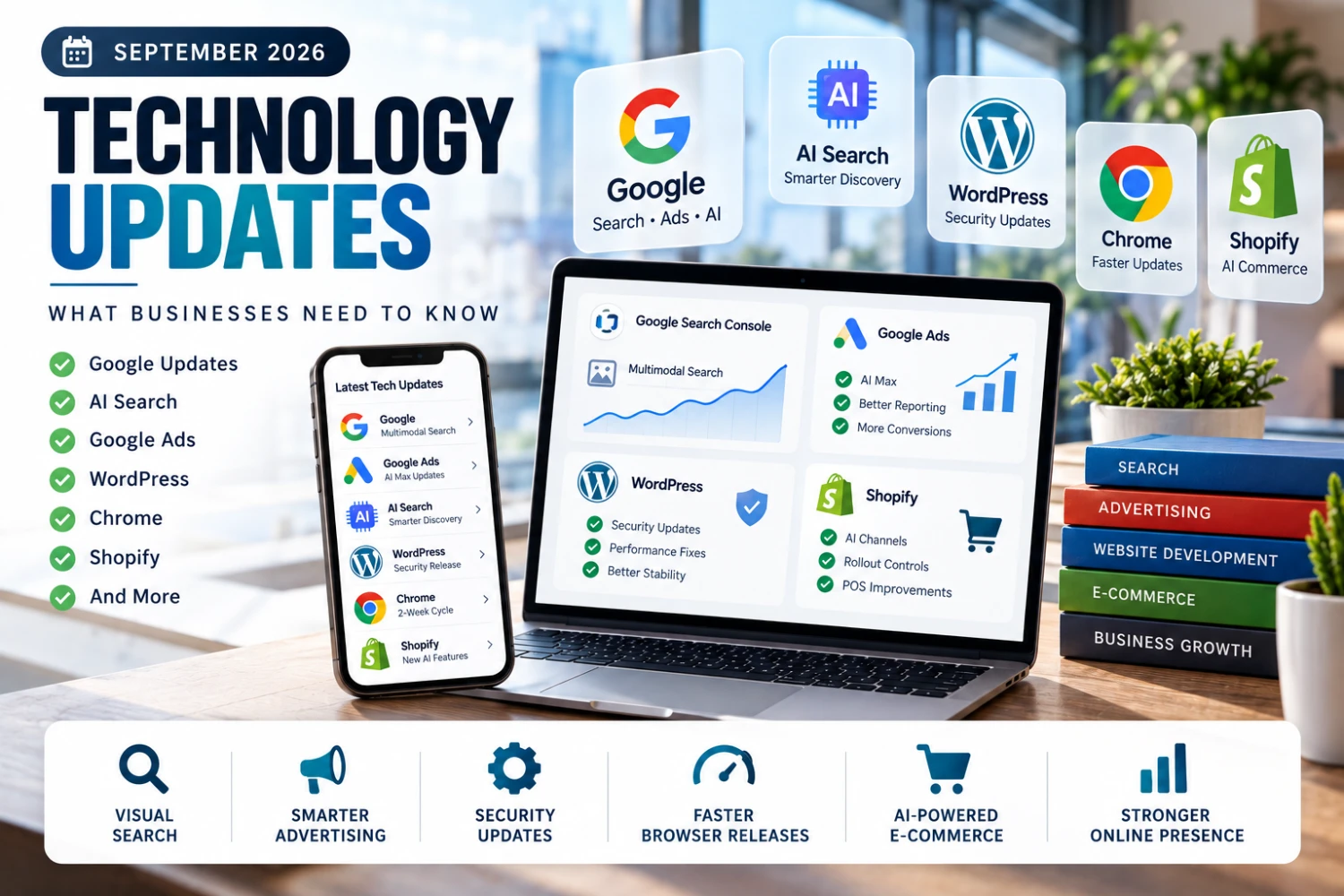
September has traditionally been a busy month for technology companies, and September 2026 was no exception.
Google introduced significant changes across Search Console and Google Ads. Chrome accelerated its browser release schedule. WordPress released important security updates. Shopify continued expanding AI-powered commerce tools.
For business owners, marketers, developers, and e-commerce companies, these updates are more than technology news.
They can influence:
Here are some of the most important technology developments from September 2026.
One of the most interesting Google Search developments this month involves visual search.
On September 24, Google announced new web multimodal Search performance reporting in Search Console.
Website owners can now gain more insight into searches performed using visual inputs, including:
Google added a multimodal search filter to Search Console performance reporting, including reporting associated with generative AI search features.
Source: Google Search Central — Web multimodal search in Search Console. Read our deeper guide on multimodal search SEO in 2026.
Search is increasingly moving beyond typed keywords.
A person can photograph:
and use that image as part of the search process.
This means website optimization is becoming increasingly visual.
Businesses should pay attention to:
SEO is no longer purely about text. Pair visual optimization with strong SEO services.
Google is continuing to expand AI-powered advertising.
Google originally announced that Dynamic Search Ads would transition toward AI Max, although it later extended the full DSA sunset and automatic upgrade until February 2027.
However, Google confirmed that campaigns using automatically created assets and campaign-level broad match settings would begin automatically transitioning into AI Max starting in September 2026.
Source: Google — AI Max and Dynamic Search Ads update.
AI Max uses Google's AI systems to expand how Search campaigns identify opportunities and match ads with relevant searches.
Businesses running Google Ads should review:
More automation does not eliminate the need for human oversight. Explore PPC management services and digital marketing if you need campaign support.
Google announced another AI Max development on September 23.
A new reporting experience is designed to show advertisers the journey between:
Google says this should provide advertisers with greater visibility into AI-driven Search campaigns.
Source: Google Ads & Commerce — AI Max reporting features.
This is especially important because one concern businesses have with automated advertising is understanding exactly what the AI is doing.
Google also announced new advertising measurement capabilities on September 10.
Its stated strategy focuses on three areas:
Source: Google Ads & Commerce — data strength updates.
Advertising platforms increasingly depend on high-quality conversion data. Accurately measure meaningful actions such as calls, form submissions, purchases, bookings, and qualified leads.
Google announced that Chrome is moving from a four-week major release schedule to a two-week release cycle, beginning with Chrome 153.
Source: Chrome for Developers — two-week release cycle. See also what Chrome's faster updates mean for business websites.
Regular website maintenance should include browser testing, mobile testing, form checks, performance monitoring, and compatibility reviews.
Chrome 154 reached stable release on September 22, 2026.
Among its new capabilities are responsive iframe sizing and additional CSS functionality associated with scroll markers and interface behavior.
Source: Chrome for Developers — New in Chrome 154.
Responsive iframe sizing can simplify some embedded-content scenarios that previously required JavaScript communication between a parent page and the embedded document.
WordPress 7.1.1 was released on September 17 with 17 Core bug fixes, 19 Block Editor fixes, and 11 security fixes.
Only five days later, WordPress 7.1.2 was released on September 22 with another security fix, and WordPress again recommended immediate updating.
Sources: WordPress 7.1.1 release and WordPress 7.1.2 documentation. Read our WordPress 7.1.2 security update guide.
If your site runs WordPress, keep WordPress development and maintenance practices current — Core, plugins, themes, PHP compatibility, backups, and testing.
In September, Shopify added Meta as an AI channel inside its Agentic Storefronts environment.
Source: Shopify Changelog — Meta AI channel. Explore Shopify AI commerce in 2026 and Shopify development.
On September 22, Shopify introduced redesigned Rollouts controls so merchants can more easily plan launches, temporary events, and tests — including controlling what percentage of store traffic sees particular changes.
Source: Shopify Changelog — Rollouts controls.
Recent September updates included improvements related to local delivery, stock counting, analytics, and POS workflows.
Source: Shopify Changelog. Businesses operating both physical and online stores should think of their website and retail systems as one connected ecosystem — strong e-commerce development helps.
The web is becoming more AI-driven, more visual, more automated, faster moving, and more dependent on maintenance.
Google advertising increasingly uses AI. Visual search is becoming measurable. Chrome has doubled the frequency of its major release cycle. WordPress security releases show why websites cannot simply be launched and forgotten.
You do not need to rebuild your technology every month.
But you should periodically review:
Technology is changing quickly enough that a website built several years ago may not take advantage of newer capabilities. Consider web design, web development, and page-speed optimization as part of that review.
September 2026 demonstrates how rapidly digital technology is evolving.
For businesses, keeping up does not mean chasing every new technology. It means understanding which changes affect customers, visibility, security, and revenue.
If you are unsure whether your website, SEO strategy, WordPress installation, advertising campaigns, or e-commerce platform is keeping up, contact Cheapoweb for a practical evaluation.
Related reading: Multimodal Search SEO in 2026, WordPress 7.1.2 Security Update, Chrome Two-Week Release Cycle, and Shopify AI Commerce.
If you are unsure whether your website, SEO strategy, WordPress installation, advertising campaigns, or e-commerce platform is keeping up with current technology, Cheapoweb can help evaluate where updates may actually provide business value.
GET A FREE PROPOSAL← Back to all articlesGoogle Search Console now reports multimodal search traffic from Lens, Circle to Search, and uploaded images — here's what that means for SEO in 2026.
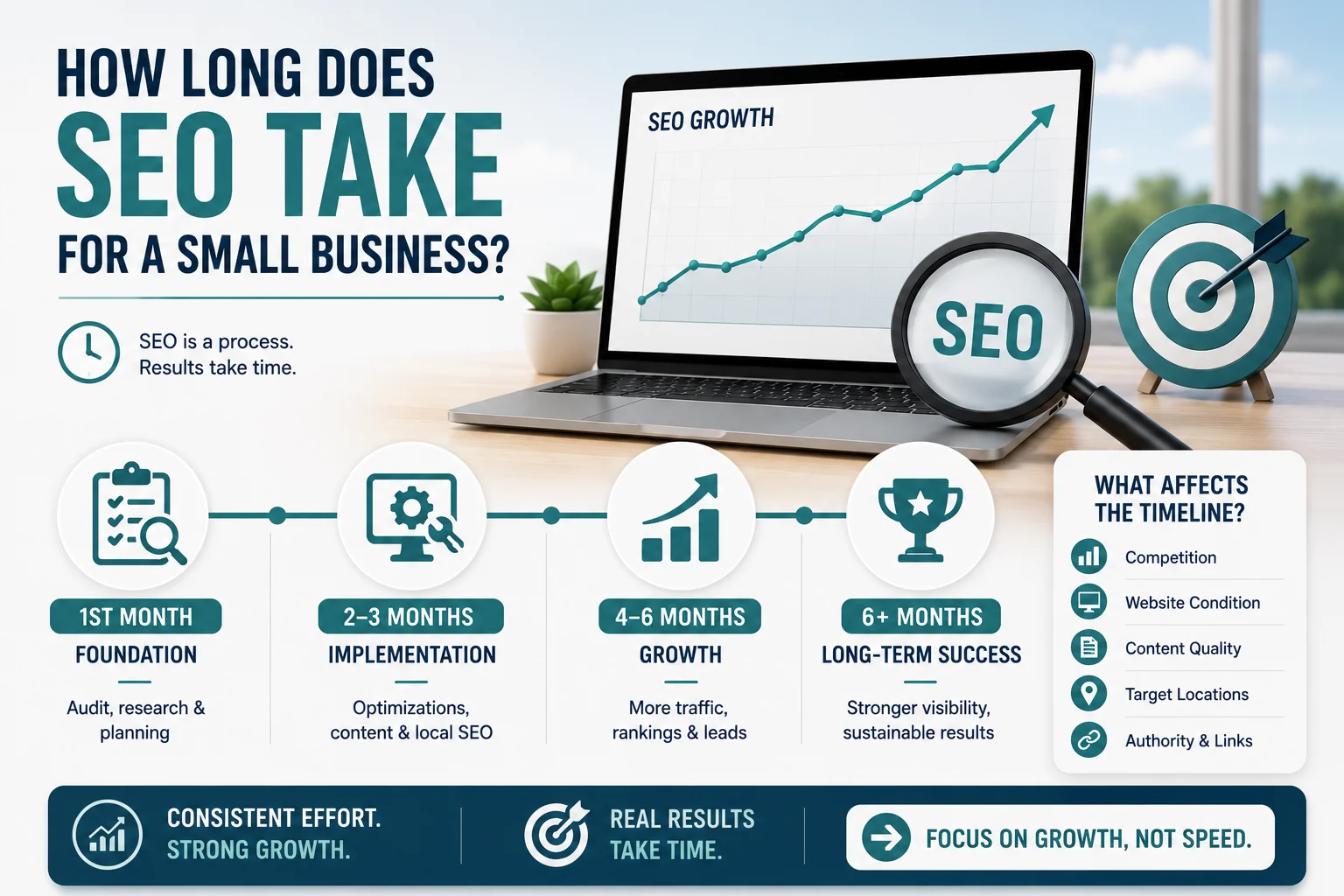
How long does SEO take for a small business? Learn why results vary, what to expect in the first months, and how to measure progress beyond rankings alone.
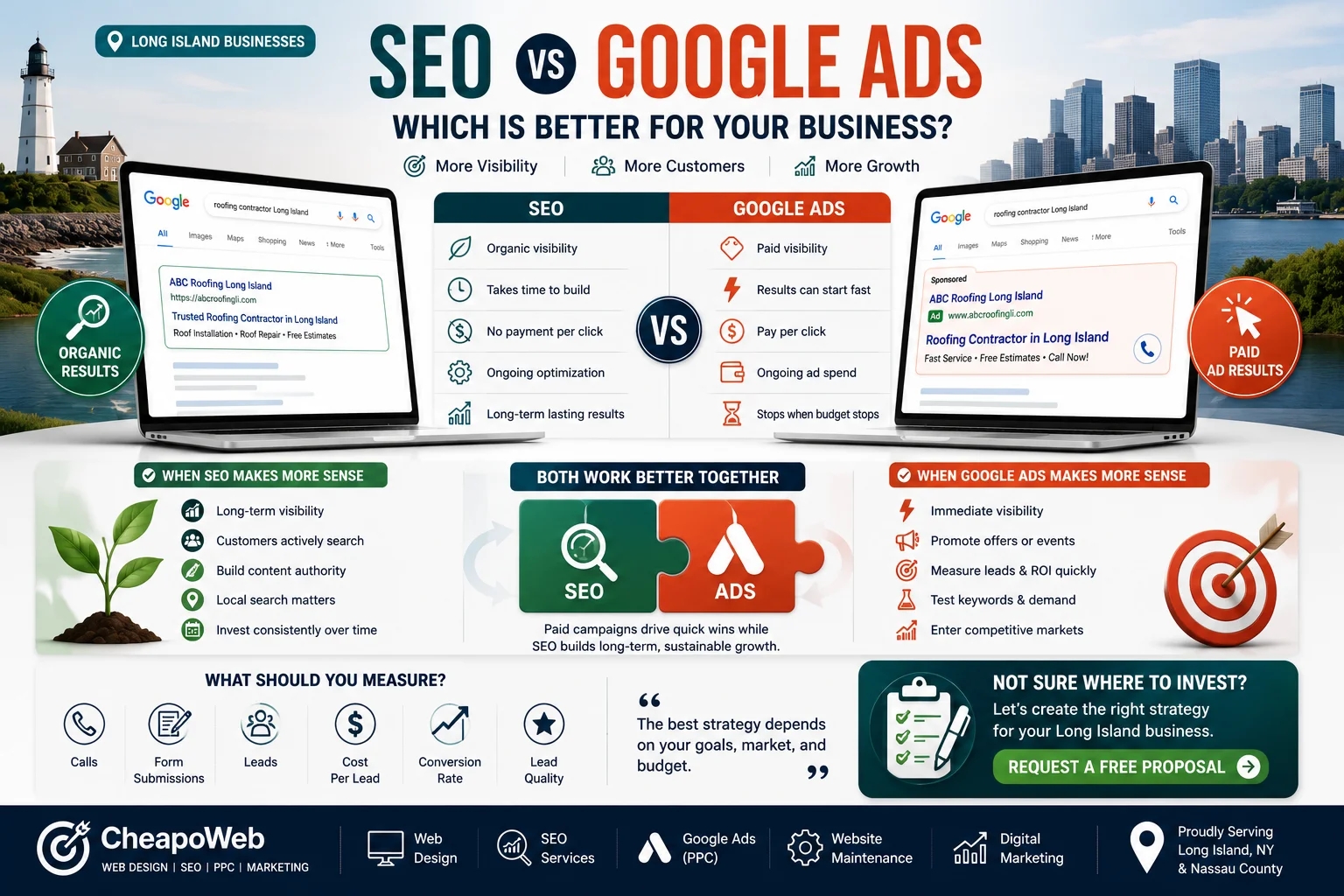
Should your Long Island business invest in SEO or Google Ads? Compare how each channel works, when each makes sense, and why many businesses benefit from using both.
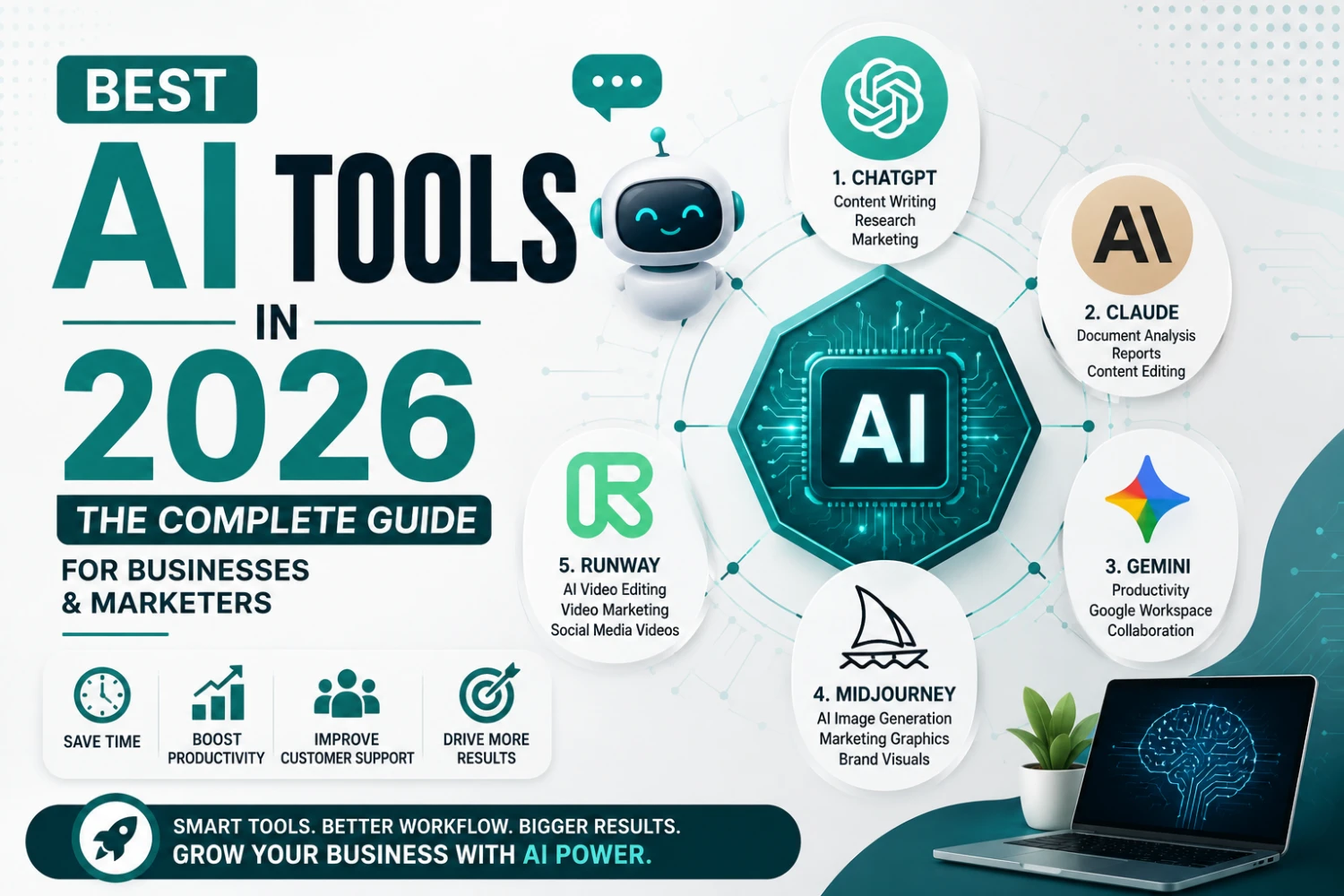
Artificial intelligence is changing how businesses work, market their services, create content, and communicate with customers. In 2026, AI tools are more powerful, easier to use, and available for businesses of all sizes.
* indicates required fields
GET STARTED